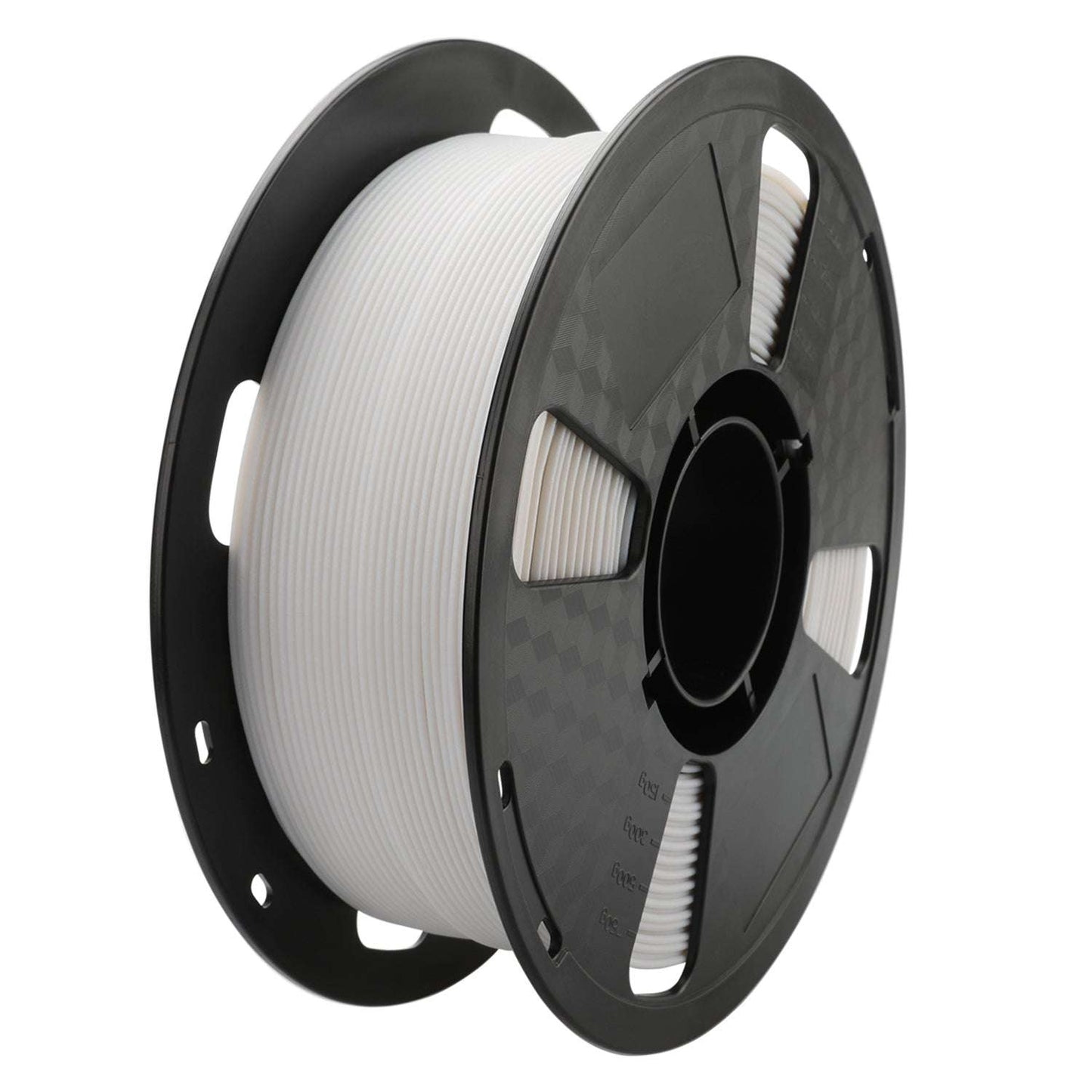
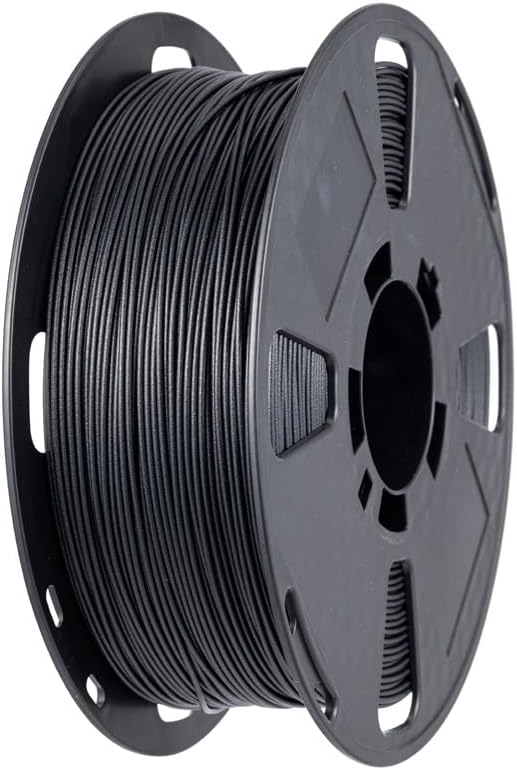
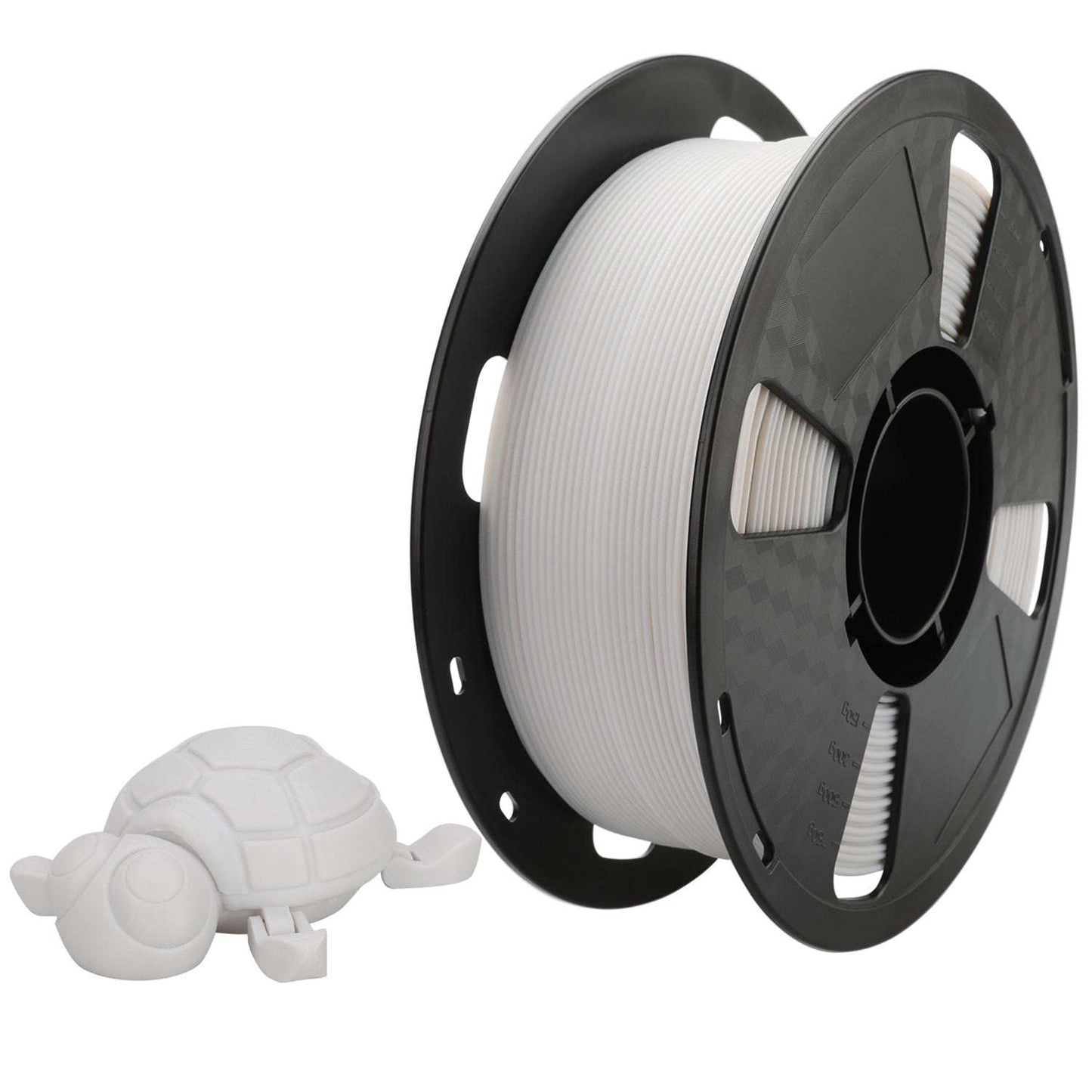
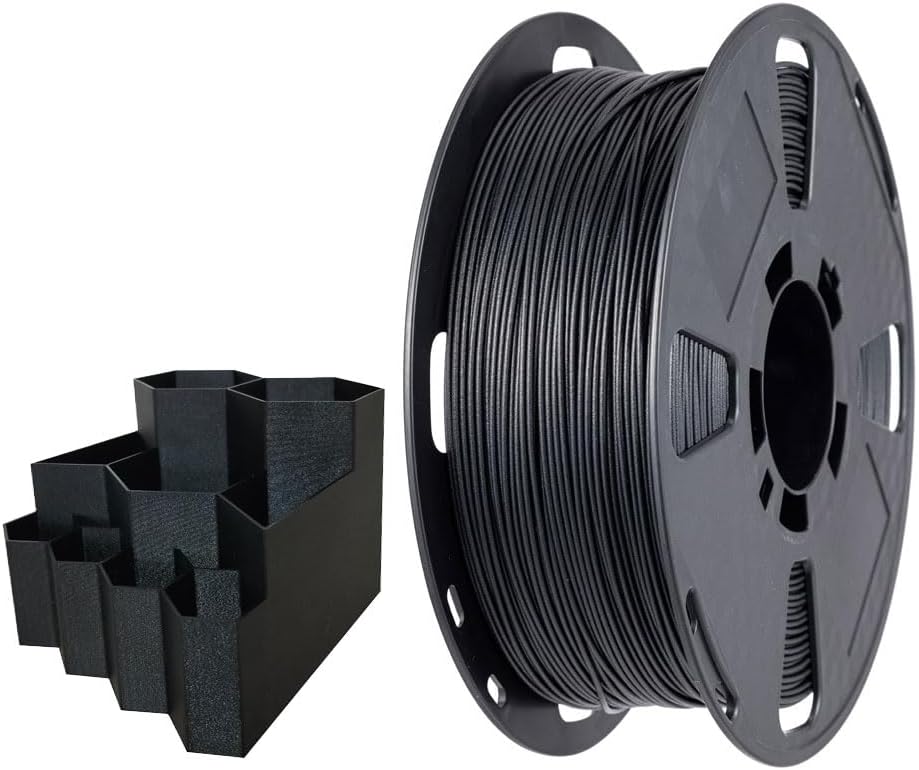
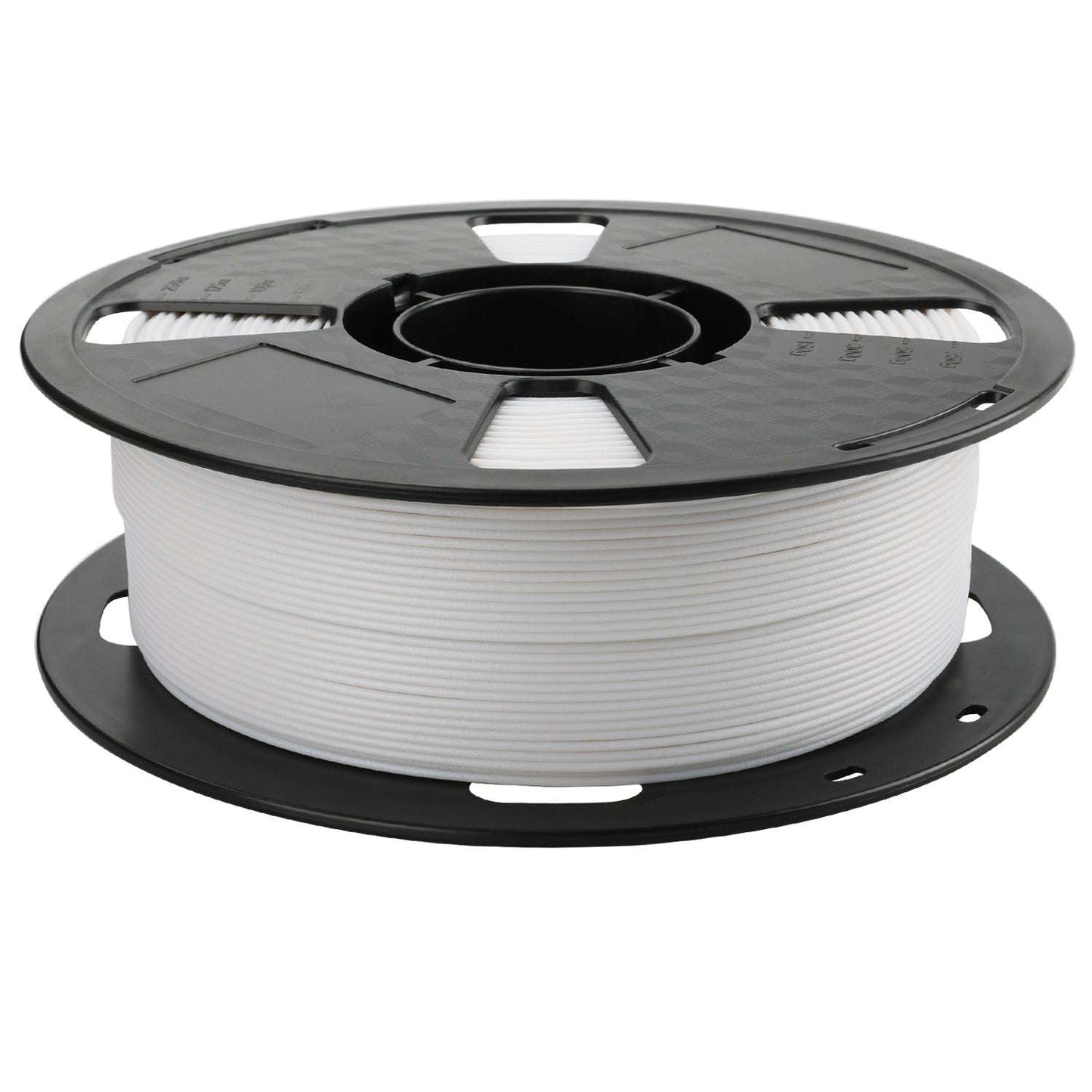
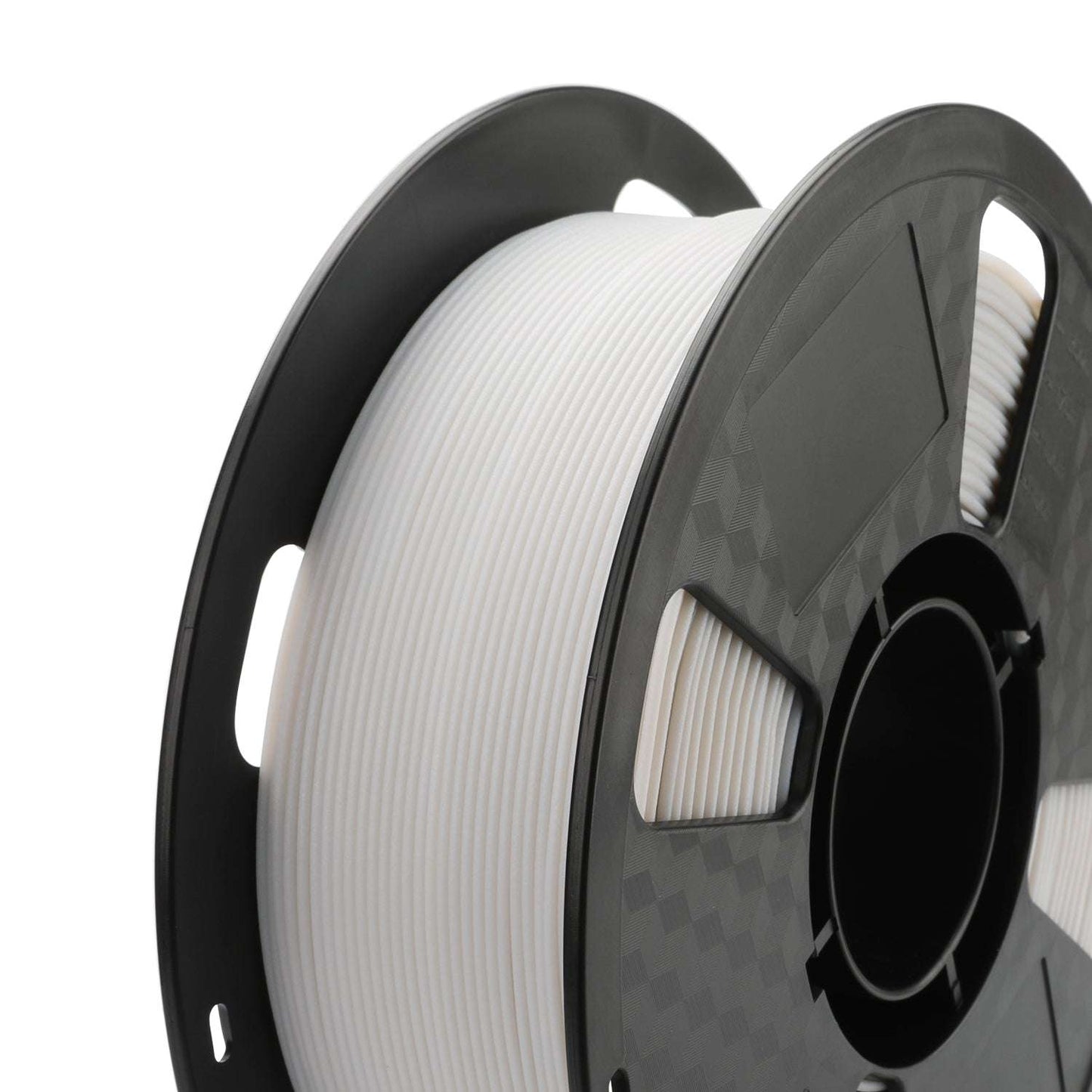
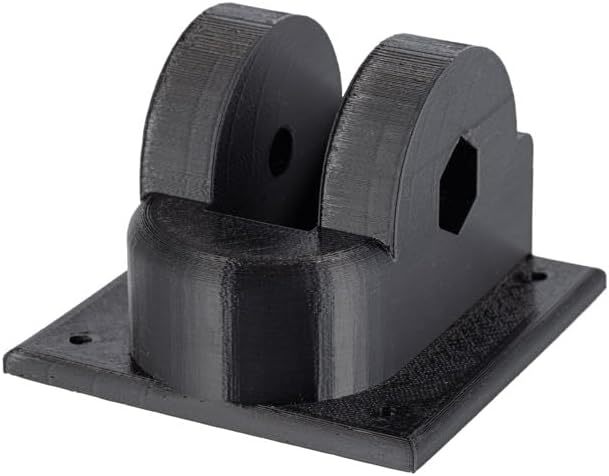
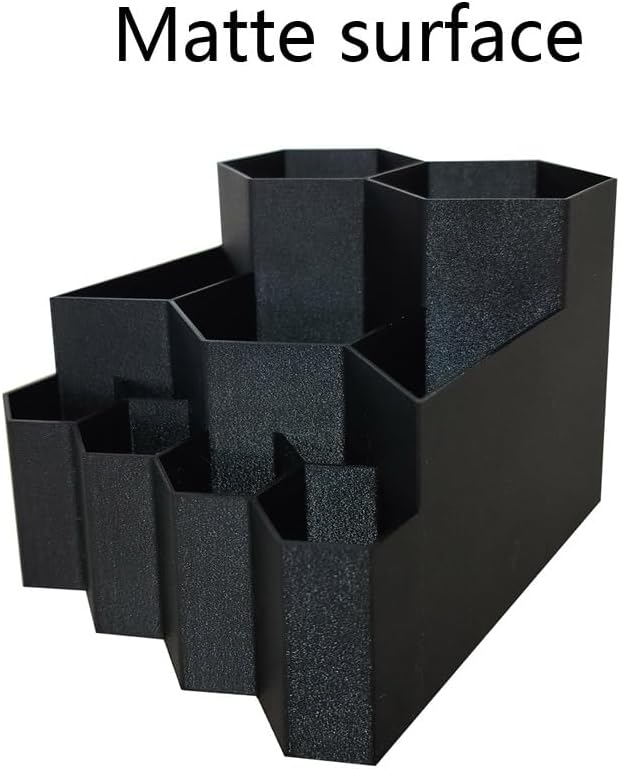
Engineering-Grade PBT. Prints Like PETG. Feels Like Hard TPU.
S3DPS PBT Pro is a Polybutylene Terephthalate (PBT) filament that sits in a uniquely practical position in the engineering filament landscape. It is tougher and more chemically resistant than PETG, significantly more flexible than PLA or ABS, and dramatically easier to print than Nylon — all while producing a clean frosted matte finish that looks factory-made straight off the printer. Customers consistently describe the feel of printed parts as similar to a high-durometer TPU, with the dimensional precision and printability of PETG.
High Impact Resistance and Genuine Flexibility
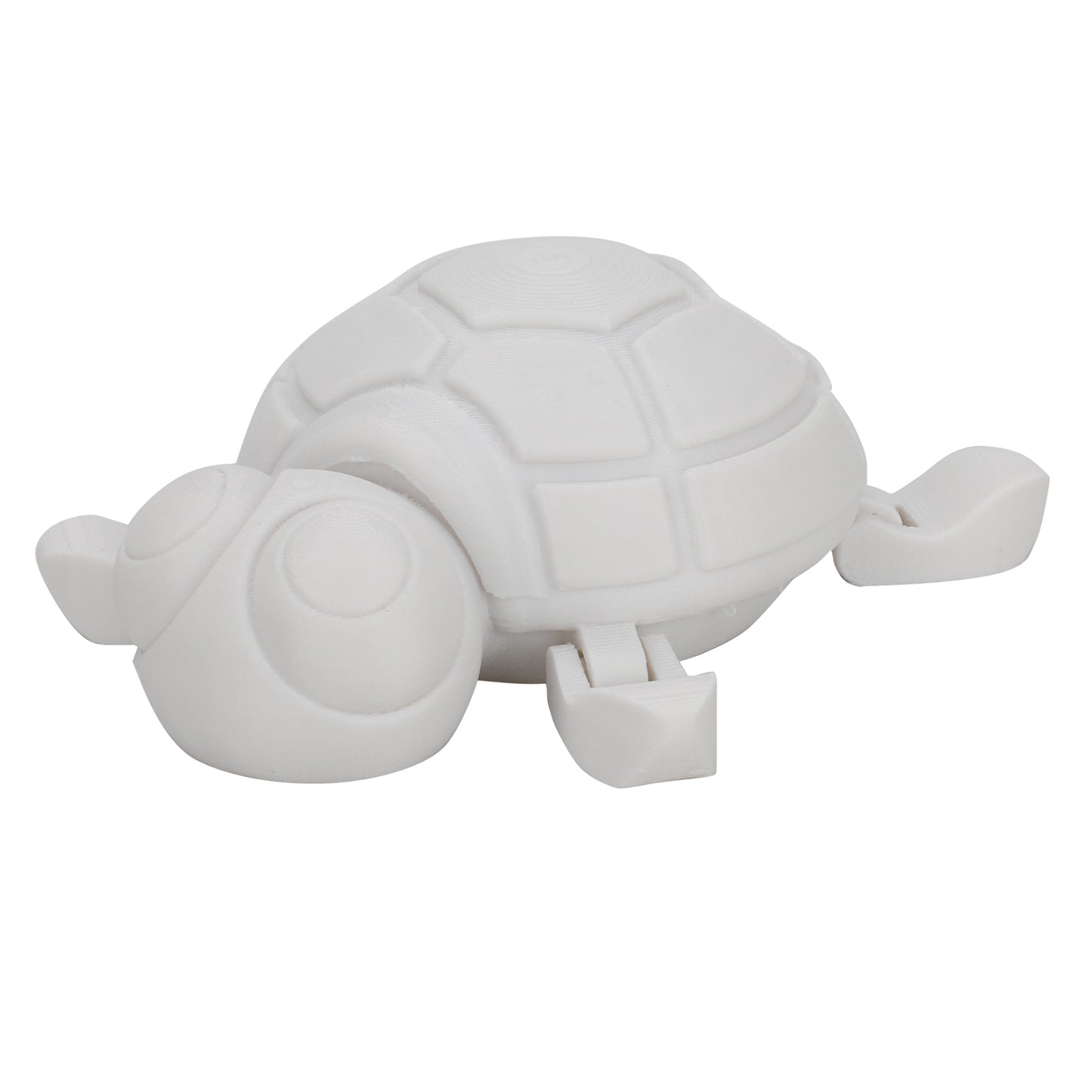
With a notched impact strength of 19.1 kJ/m² and an elongation at break of 261.9%, PBT Pro is built to flex, absorb shock, and return to shape rather than crack. This makes it exceptional for snap-fits, living hinges, clips, and any part that experiences repeated bending or sudden load. In real-world testing by customers, PBT Pro flexible hinges have been folded back and forth over a hundred times with no failure or layer separation — a result that PLA, ABS, and standard PETG cannot match.
Understanding Heat Resistance — Honestly Explained
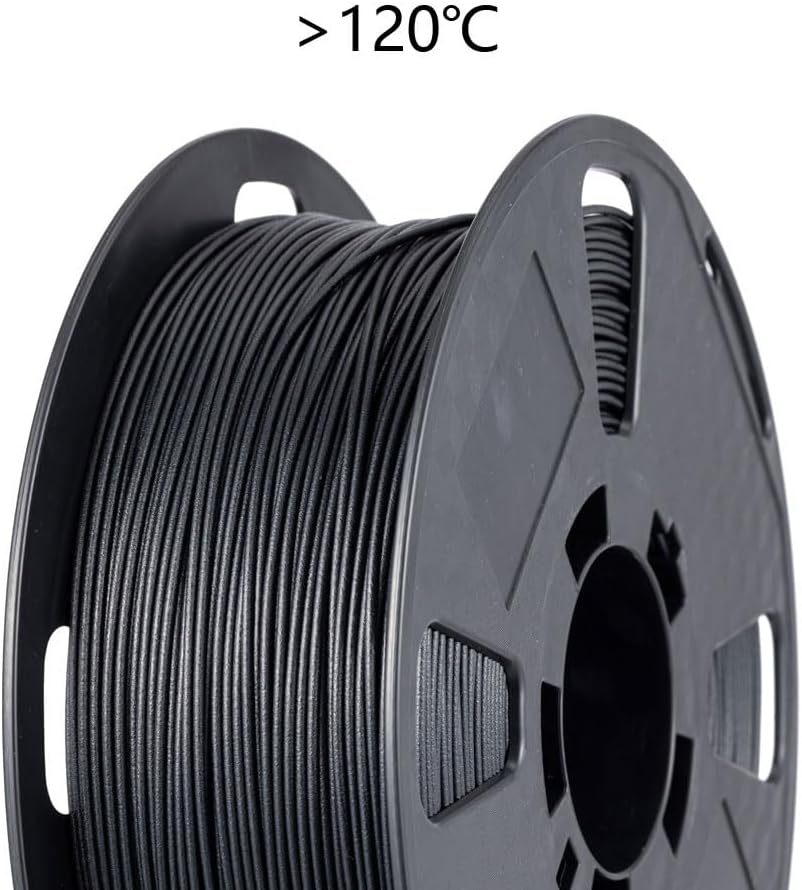
PBT Pro has a Heat Distortion Temperature (HDT) of 36.5°C under load (HDT-B, 0.45 MPa). This is a standard characteristic of unfilled semi-crystalline PBT and reflects load-bearing stiffness retention — it does not mean the material softens at 36°C in normal use. Under passive, no-load conditions, printed parts remain dimensionally stable to approximately 120–130°C, making PBT Pro suitable for parts that sit near heat sources without bearing mechanical stress — such as dashboard trim, cable guides, and electronic housings near warm components.
PBT Pro is not recommended for structural parts that must bear sustained mechanical loads at elevated temperatures. If your application requires load-bearing heat resistance above 100°C, the S3DPS PBT Tough variant — with an HDT of 102.6°C — is the appropriate choice.
Excellent Chemical Resistance
PBT Pro offers strong resistance to diluted acids, alcohols, aromatic hydrocarbons, ketones, solvents, oils, and greases. It is well-suited for parts regularly exposed to fuels, lubricants, and cleaning agents — a genuine performance advantage over PETG and PLA in workshop, automotive, and agricultural environments where chemical contact is unavoidable.
Low Moisture Absorption and Dimensional Stability
Unlike Nylon, PBT absorbs very little moisture. Printed parts maintain their dimensions and mechanical properties in humid or wet environments without swelling, warping, or losing stiffness over time — an important consideration for any outdoor or workshop application.
Prints on Most FDM 3D Printers Without an Enclosure
PBT Pro is compatible with most FDM 3D printers and does not require an enclosure for reliable results. Customers print it successfully on Bambu Lab, Ender 3, QIDI, and similar machines, often using a PETG profile as a starting point with temperature adjustments. It produces crisp, clean prints with excellent layer adhesion and minimal stringing.
Bed Adhesion Note for PEI Surfaces
PBT Pro adheres very well to heated beds — in some cases more aggressively than expected. On PEI spring steel surfaces, a thin layer of glue stick or 3DLAC adhesion spray is strongly recommended as a release layer to prevent the print from bonding permanently to the build plate and causing removal damage.
Not Suitable for Electrical Insulation Applications
Printed parts are structural in nature and are not suitable for use as electrical insulation or in voltage-bearing applications.
Frosted Matte Finish
The natural frosted surface gives printed parts a professional, low-gloss appearance. Layer lines are minimal at standard layer heights, and the surface has a smooth, pleasant tactile quality that customers regularly highlight as a distinguishing feature of the material.
Standard Brass Nozzle Compatible
PBT Pro is an unfilled material containing no abrasive fibres or particles. A standard brass nozzle is perfectly suitable — no hardened steel or stainless steel nozzle is required.
What Can You Make With S3DPS PBT Pro?
PBT Pro excels wherever toughness, chemical resistance, flexibility, and dimensional accuracy need to come together in one material:
-
Snap-fits, Living Hinges and Flexible Clips — The high elongation at break means these components flex and return repeatedly without fatigue cracking, making PBT Pro the natural choice over PLA or ABS for any part designed to snap or bend in service
-
Automotive Trim and Interior Components — Door clips, panel fasteners, cable guides, and interior trim pieces for classic car restoration and aftermarket builds, where chemical exposure and repeated flex cycles are part of daily use
-
Electrical Enclosures and Industrial Housings — Dimensionally stable, chemically resistant enclosures for workshop and industrial environments where PETG would be vulnerable to solvents or lubricants
-
Agricultural and Mining Wear Parts — Bushings, guides, and protective covers for machinery regularly exposed to oils, fuels, and cleaning chemicals
-
Workshop Tooling, Jigs and Fixtures — Rigid, tough tooling that needs to withstand repeated clamping, mechanical stress, and occasional impact without brittle failure
-
Functional Prototypes and Replacement Parts — Durable, chemically resistant replacements for OEM plastic components where the original material was an injection-moulded engineering thermoplastic
How Does PBT Pro Compare?
| Property |
PBT Pro |
ABS |
PETG |
PA12 |
| Elongation at Break |
261.9% |
~5% |
~50% |
~300% |
| Notched Impact |
19.1 kJ/m² |
~10 kJ/m² |
~5 kJ/m² |
~10 kJ/m² |
| Chemical Resistance |
Excellent |
Good |
Good |
Excellent |
| Moisture Absorption |
Very Low |
Low |
Low |
High |
| Print Difficulty |
Easy |
Medium |
Easy |
Hard |
| HDT Under Load |
36.5°C |
~80°C |
~70°C |
~50°C |
| Enclosure Required |
No |
Yes |
No |
Recommended |
Recommended Print Settings:
- Printing Temperature: 225–235°C (228°C typical)
- Bed Temperature: 65–70°C (70°C first layer; up to 100°C on smooth or glass surfaces)
- Outer Wall Speed: 25mm/s
- Inner Wall Speed: 38mm/s
- Infill Speed: 45mm/s
- Cooling Fan: Off for the first 3 layers, then 0–15%; bridges 20–30%
- Nozzle: Standard brass (0.4mm or larger recommended)
- Bed Release Agent: Glue stick or 3DLAC recommended on PEI surfaces
Technical Data:
| Property |
Value |
| Print Temperature |
225–235°C (228°C typical) |
| Bed Temperature |
65–70°C (70°C first layer) |
| Tensile Strength |
22.4 MPa |
| Elongation at Break |
261.9% |
| Flexural Strength |
20 MPa |
| Flexural Modulus |
708 MPa |
| Notched Impact (Izod) |
19.1 kJ/m² |
| Unnotched Impact (Izod) |
101.2 kJ/m² |
| Heat Distortion Temp |
36.5°C (HDT-B, 0.45 MPa — confirm test method with OEM) |
| Density |
1.297 g/cm³ |
| Melt Flow Index |
8–15 g/10 min |
| Diameter |
1.75mm ± 0.02mm |
| Net Weight |
1kg |
In the Box:
- 1x S3DPS PBT Pro Filament – 1kg Spool